Sir Kenny Dalglish
1978 European Cup final winning goal
- Heritage ID
- B3QG5J
- Person
- Sir Kenny Dalglish
- Sport
- football
- Club
- Liverpool
- Related clubs
- Liverpool
- Heritage title
- Sir Kenny Dalglish
- Heritage sub-heading
- 1978 European Cup final winning goal
- Story by
- Maya Rivers
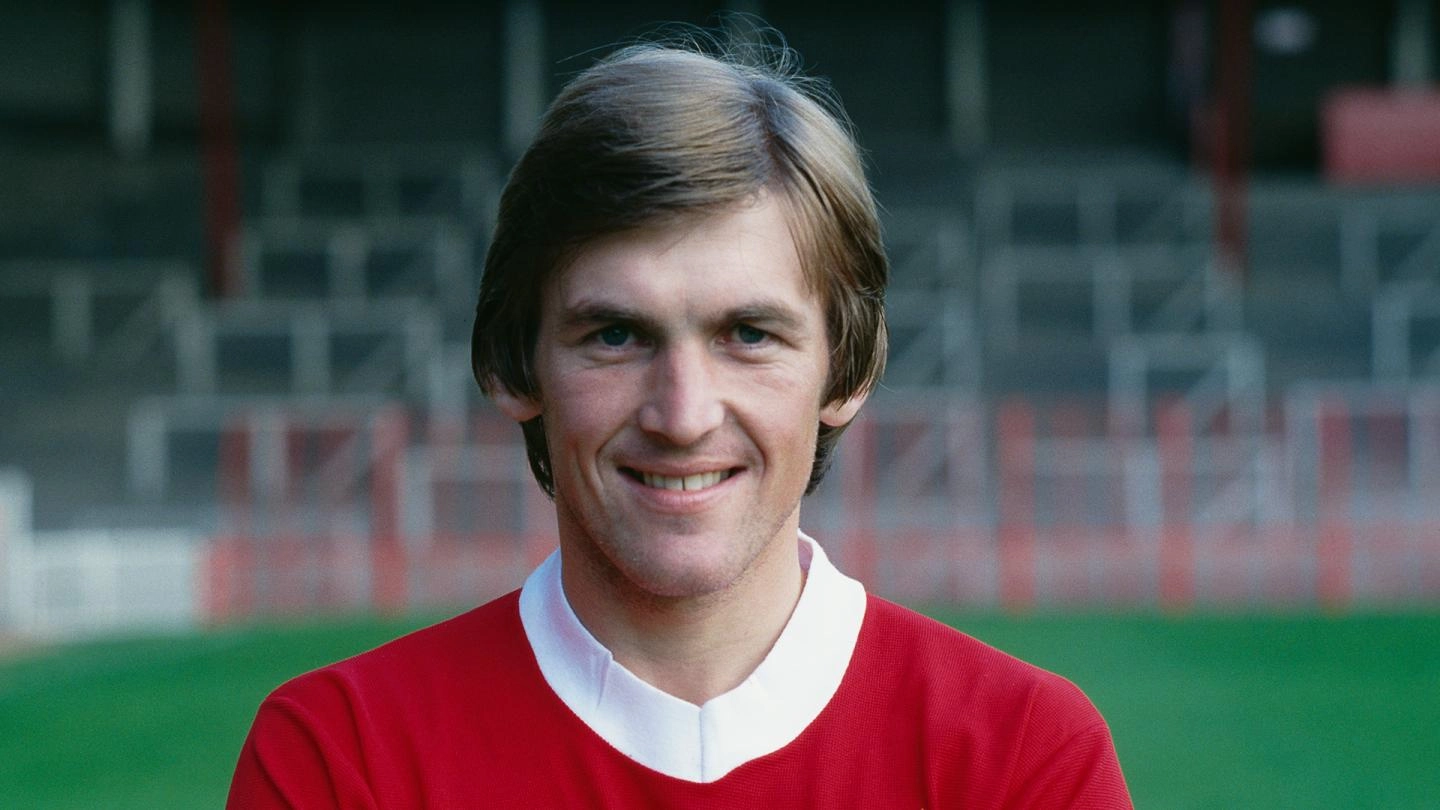
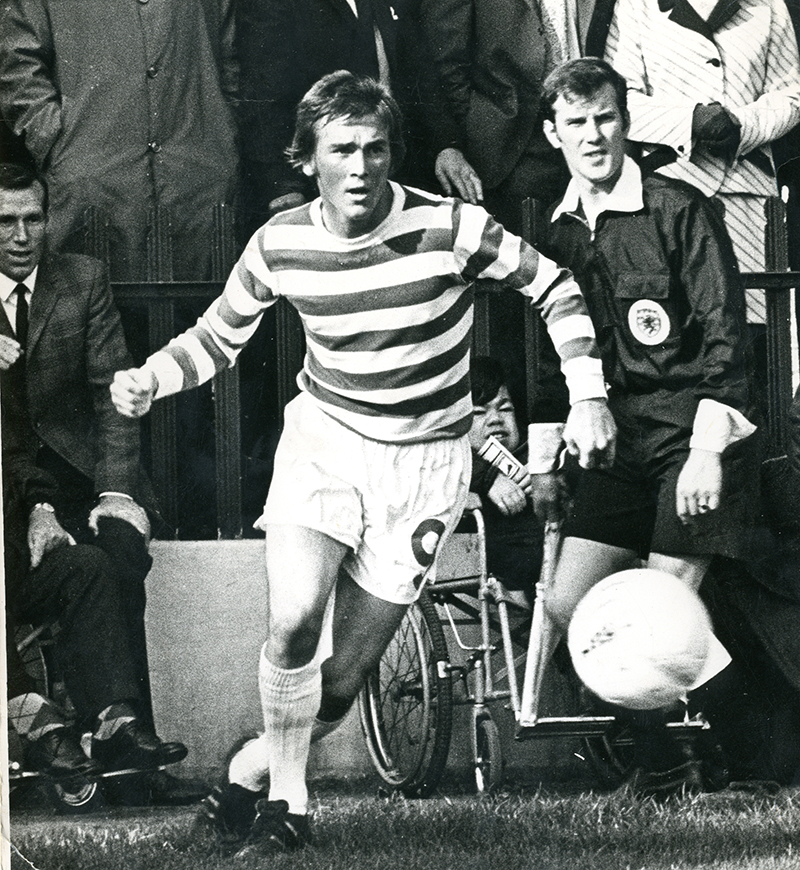
Kenny Dalglish arrived at Liverpool in August 1977 carrying an impossible burden. Kevin Keegan had just departed for Hamburg, and the Anfield faithful wondered if anyone could fill those boots. The Glasgow-born forward, already a Celtic legend at twenty-six, cost £440,000. By the end of his first season, he had scored the winning goal in the European Cup final at Wembley. The question was answered.
What followed was not simply a successful career but a complete intertwining of one man with one club. Over thirteen years as a player, Dalglish made 515 appearances in the red shirt, scoring 172 goals. The statistics tell part of the story, but they miss the particular quality he brought to Anfield. His first touch could kill a ball dead. His vision allowed him to thread passes that others could not see. That famous celebration, arm raised in understated acknowledgment, became as recognizable as the Liver Bird itself.
He won three European Cups as a player, six league titles, and was named Footballer of the Year twice. Yet what set him apart was how he played. There was an ice-cold composure in front of goal, a refusal to panic when defenders closed in. He could turn in the smallest space, shield the ball with his body, and release teammates with passes of surgical precision. Teammates spoke of his awareness, the way he seemed to know where everyone was without looking.
In 1985, with Liverpool reeling from the Heysel Stadium disaster, Dalglish became player-manager. He was thirty-four. The following season, his first in sole charge, Liverpool won the double. He continued playing until 1990, managing and competing simultaneously, a feat that speaks to both his fitness and his understanding of the game. As manager alone, he added three more league titles and two FA Cups to Liverpool’s cabinet.
The Hillsborough disaster in April 1989 changed everything. Dalglish attended funeral after funeral, comforting families, representing the club in its darkest hour. He carried a weight that no trophy could balance. When he resigned in February 1991, citing stress and exhaustion, those who knew what he had endured understood.
He returned to management elsewhere, at Blackburn Rovers and Newcastle United, winning the Premier League with Blackburn in 1995. But Liverpool remained his spiritual home. In 2011, he came back to Anfield as manager once more, winning the League Cup. It was his final trophy, a bookend to a relationship that had defined both man and club.
The Centenary Stand at Anfield was renamed the Kenny Dalglish Stand in 2017, a permanent acknowledgment of what he meant to Liverpool. His knighthood, awarded in 2018, recognized not just his footballing achievements but his conduct after Hillsborough, the dignity he brought to unbearable circumstances.
Dalglish transcended the Old Firm divide that defined Glasgow football. Celtic supporters celebrated his success at Liverpool. Rangers fans, in rare moments of unity, acknowledged his brilliance. He represented Scotland 102 times, scoring 30 goals, and remains the joint-top scorer for his country alongside Denis Law.
At Anfield, they call him King Kenny. It is not a nickname born of marketing or media invention. It emerged organically from the Kop, from supporters who watched him week after week and recognized something beyond talent. They saw someone who understood what the club meant, who carried its hopes without flinching, and who, when tragedy struck, stood with them. The crown was earned, not given.
Sir Kenny Dalglish remains closely connected to Liverpool, with his contribution recognised in the naming of the Kenny Dalglish Stand at Anfield.